Business Plan
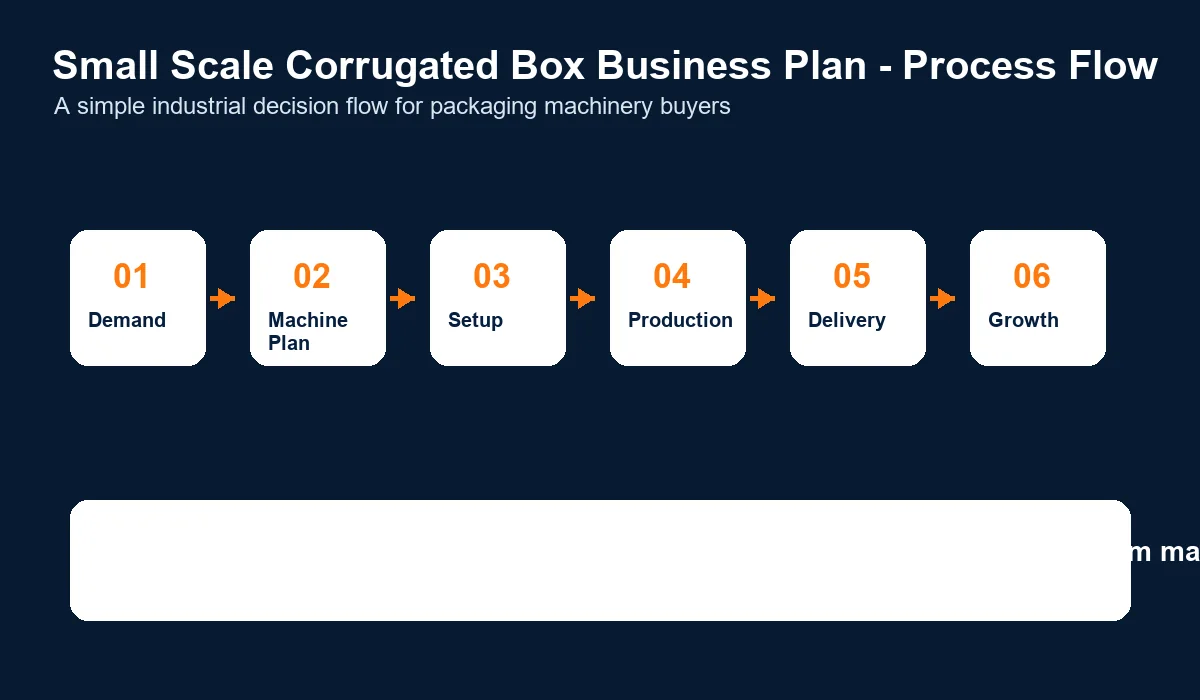
Small Scale Corrugated Box Manufacturing Business Plan
Complete business plan guide for starting a small scale corrugated box manufacturing business in India with machines, investment, space, licenses, profit and growth tips.
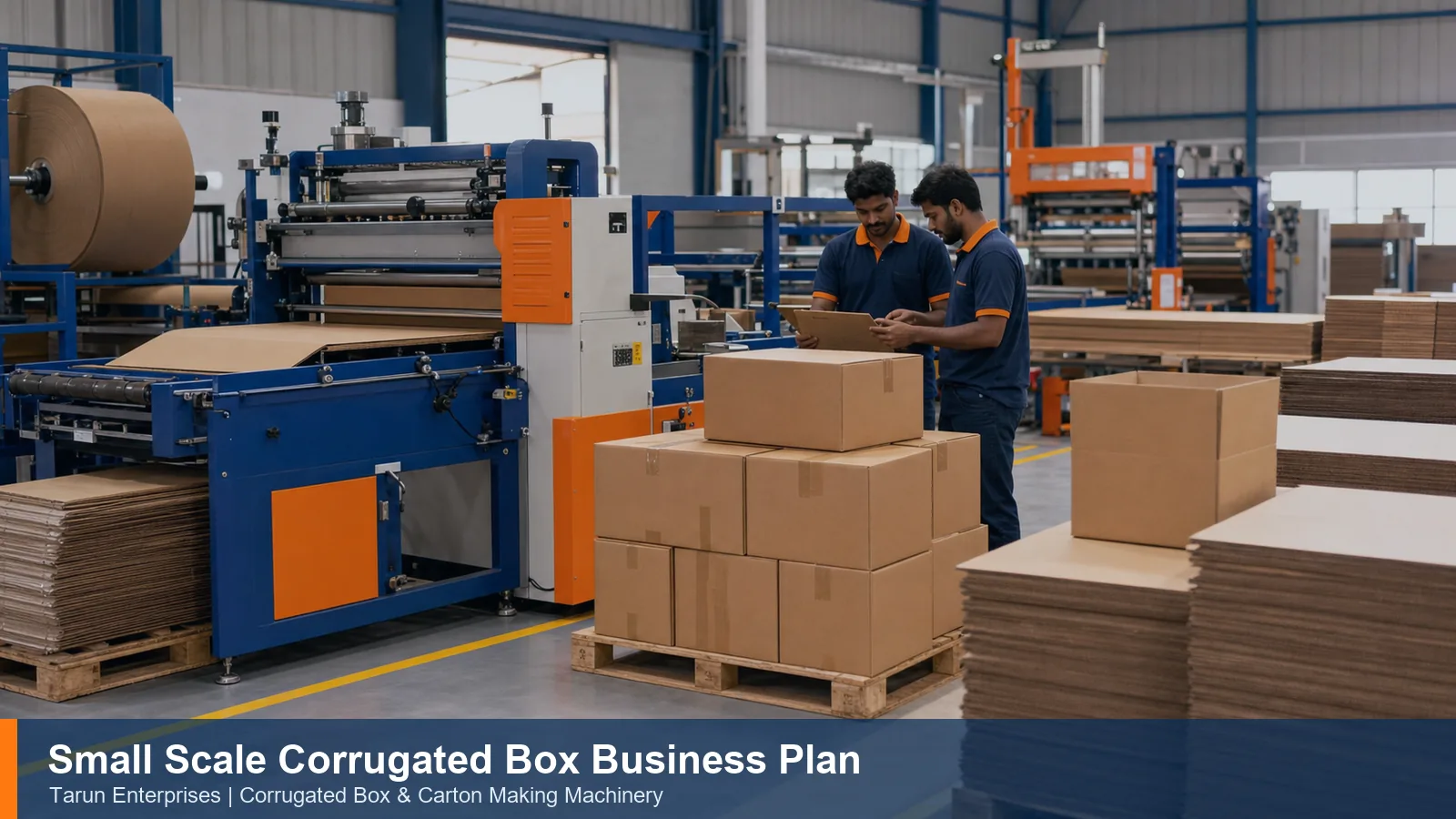
A small scale corrugated box manufacturing business can be a practical opportunity because cartons are used by food companies, ecommerce sellers, pharma units, auto parts suppliers, garment exporters, electronics businesses and local manufacturers. Demand is broad, but success depends on choosing the right customers and setting up the plant with disciplined cost control.
The business should not begin with machinery alone. It should begin with market study, target box sizes, expected order volume, raw material sourcing, factory space, electricity, manpower, sales plan and working capital. This guide gives a practical structure for planning a carton box unit in India.
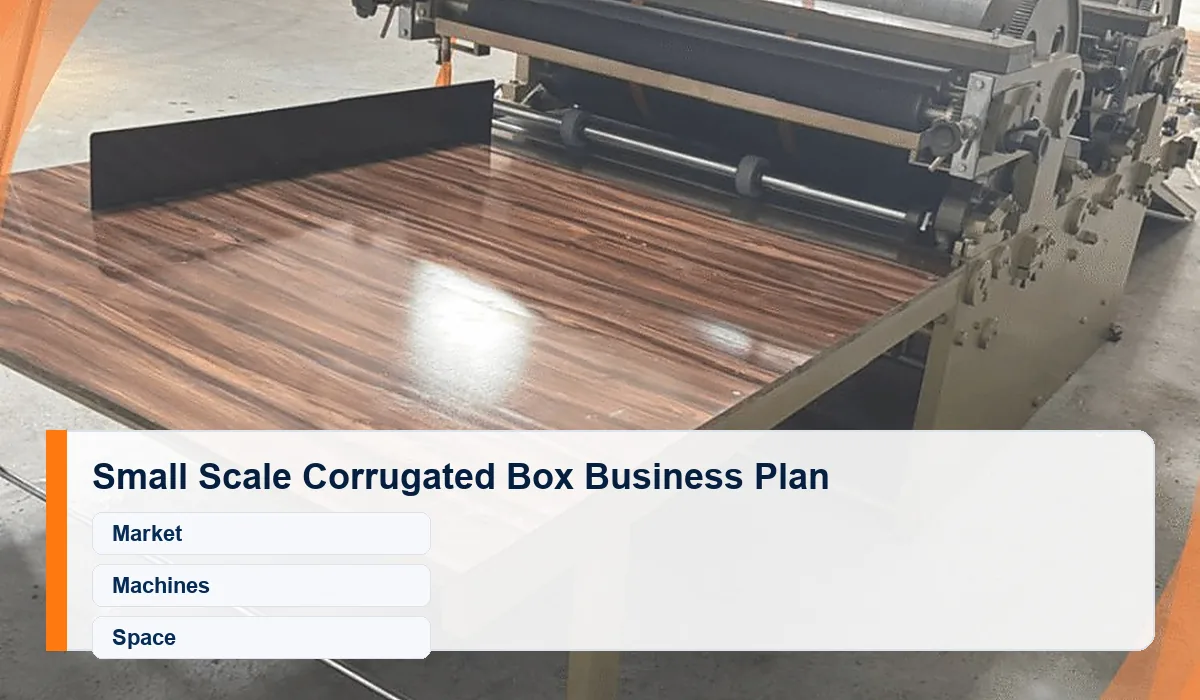
Business opportunity and market demand
Corrugated boxes are repeat-purchase packaging products. Once a manufacturer approves a supplier, orders can repeat if quality, price and delivery remain reliable. Local demand may come from food packaging, industrial goods, ecommerce shipping, footwear, pharmaceuticals, hardware, toys and household products.
Before buying machines, make a list of at least 20 potential customers in your region. Study their current box sizes, printing requirement, strength requirement and monthly volume. This information will guide machinery selection better than a generic business plan.
What buyers should check
- Confirm the requirement in writing before comparing quotes.
- Ask for machine width, capacity, power load and included accessories.
- Keep future expansion in mind, but avoid overbuying without orders.
Required machines for a small plant
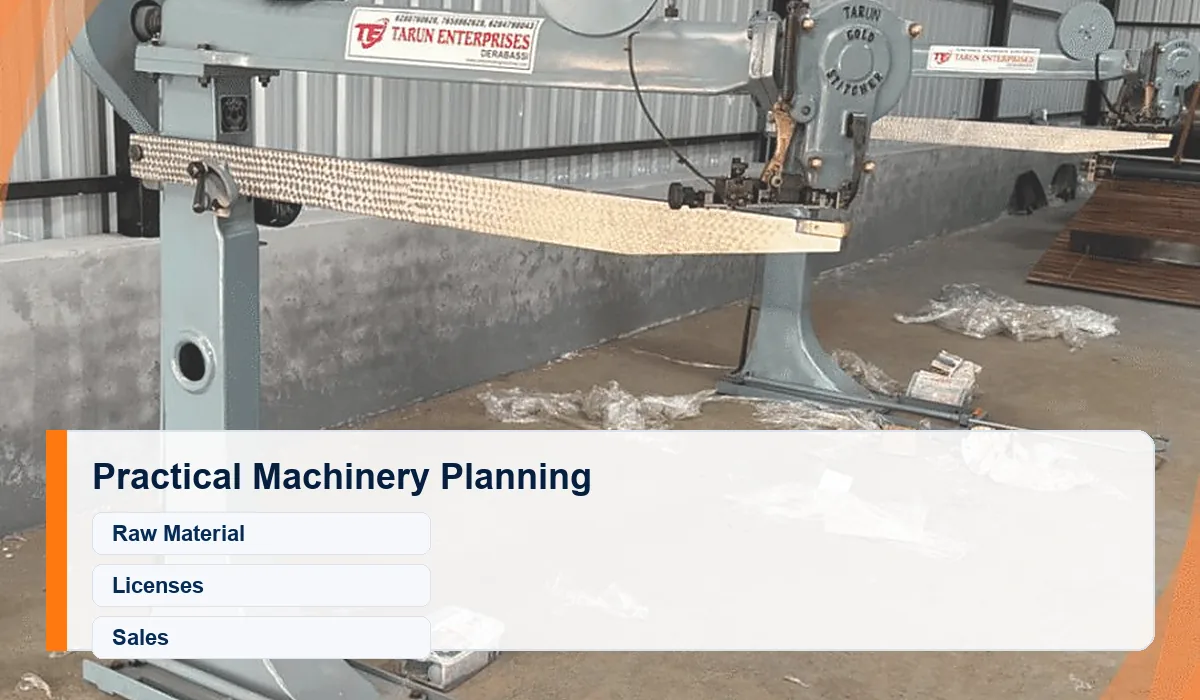
A small plant may need corrugation machine, reel stand, sheet pasting, slitter scorer, sheet cutter and box stitching machine. Depending on customers, it may also need printer slotter, die cutting machine, folder gluer or lamination machine.
The correct machine list depends on whether you will make board only, plain stitched boxes, printed cartons, die-cut cartons or glued cartons. Start with the customer requirement and work backward to the machinery.
What buyers should check
- Confirm the requirement in writing before comparing quotes.
- Ask for machine width, capacity, power load and included accessories.
- Keep future expansion in mind, but avoid overbuying without orders.
Investment and staged setup
Investment should be divided into machinery, factory setup, raw material, labour, power, transport, maintenance and working capital. Many entrepreneurs focus only on machine price and then face pressure when paper stock and customer credit require cash.
A staged setup is often safer. Start with essential machinery for confirmed demand, keep space for expansion, and add finishing machines when sales justify the investment.
What buyers should check
- Confirm the requirement in writing before comparing quotes.
- Ask for machine width, capacity, power load and included accessories.
- Keep future expansion in mind, but avoid overbuying without orders.
Space requirement and factory layout
Space depends on machine size, paper reel storage, sheet movement, finished goods storage and loading access. Even a small plant needs a clean material flow because corrugated sheets can get damaged if movement is congested.
Plan separate zones for raw paper, corrugation, cutting, printing or finishing, finished box storage and dispatch. Good layout reduces labour time and protects product quality.
What buyers should check
- Confirm the requirement in writing before comparing quotes.
- Ask for machine width, capacity, power load and included accessories.
- Keep future expansion in mind, but avoid overbuying without orders.
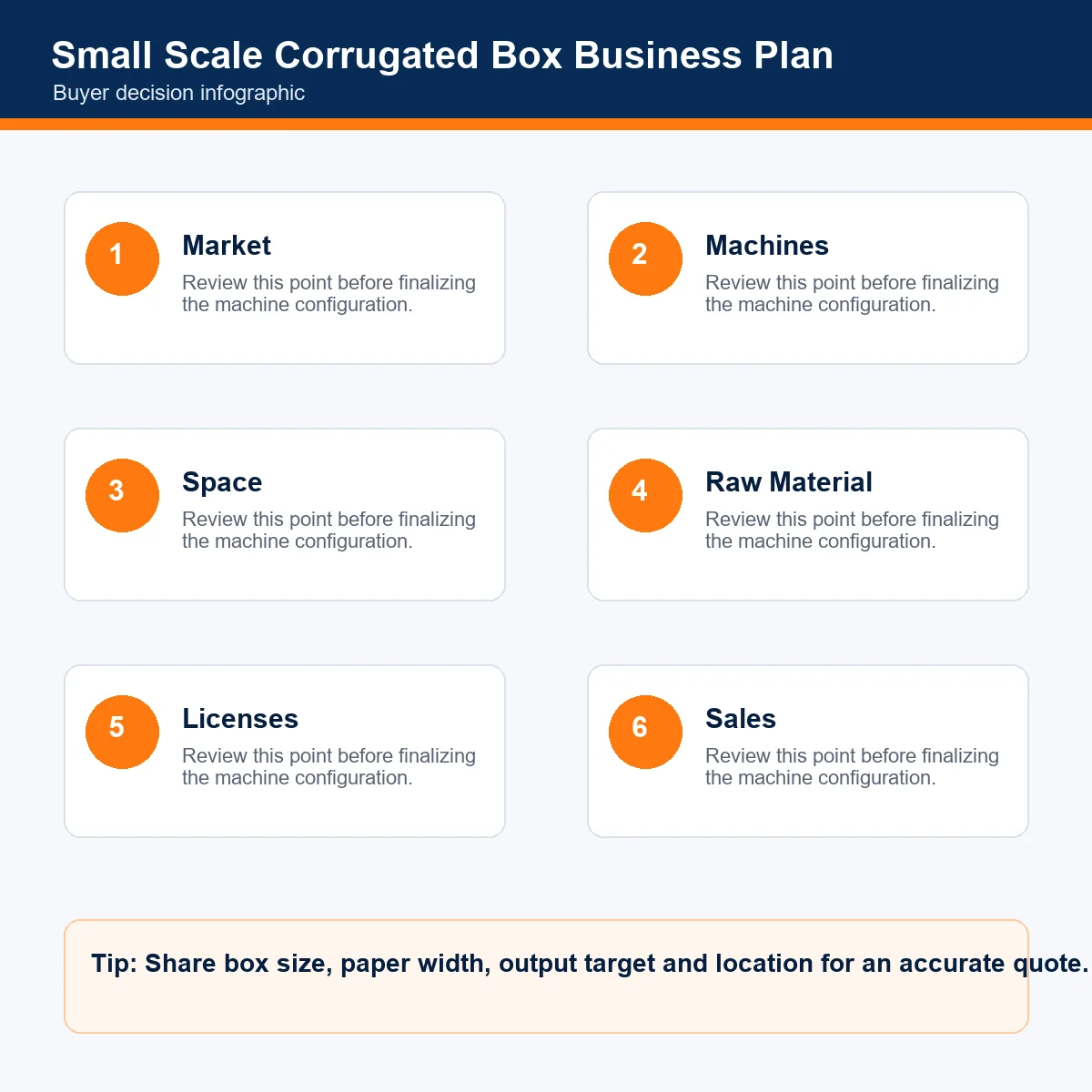
Electricity, licenses and compliance
Electricity load should be discussed with the machinery supplier before finalizing the factory. Check local requirements for business registration, GST, pollution or local permissions, factory license applicability and labour compliance with qualified advisors.
This guide gives business planning direction, but legal and tax requirements can vary by state and scale. Entrepreneurs should confirm current compliance with local professionals and official portals.
Expert note
In industrial packaging machinery, a small planning mistake can affect output for years. Always compare the complete production workflow, not only the main machine name.
Raw materials and production process
Main raw materials include kraft paper, adhesive, stitching wire, printing ink and packing consumables. Paper quality has a direct impact on box strength, appearance and customer satisfaction.
The production process starts from paper reel handling, flute formation, pasting, drying, cutting, creasing, slotting, printing, folding, stitching or gluing and final bundling. Each step must be controlled to reduce wastage.
Expert note
In industrial packaging machinery, a small planning mistake can affect output for years. Always compare the complete production workflow, not only the main machine name.
Marketing and customer acquisition
The best customers for a new plant are local manufacturers with repeat monthly demand. Visit industrial areas, prepare sample boxes, quote clearly and offer dependable delivery. A simple website, Google Business Profile, product photos and WhatsApp catalogue help build trust.
Do not compete only on lowest price. Packaging buyers also value delivery, strength, consistency and problem solving. A reliable small supplier can win repeat orders from customers who are unhappy with delays.
Expert note
In industrial packaging machinery, a small planning mistake can affect output for years. Always compare the complete production workflow, not only the main machine name.
Profit calculation, challenges and growth tips
Profit depends on paper rate, conversion cost, wastage, labour, electricity, selling price and credit period. A healthy business tracks cost per box and contribution per order. Without cost tracking, high sales can still create cash flow problems.
Common challenges include paper price fluctuation, delayed payments, quality complaints, machine downtime and low-margin competition. Growth comes from better customers, value-added printing, die-cut cartons, faster delivery and disciplined maintenance.
Expert note
In industrial packaging machinery, a small planning mistake can affect output for years. Always compare the complete production workflow, not only the main machine name.
Customer research before machinery purchase
A new entrepreneur should visit industrial areas before buying machinery. Ask local manufacturers what box sizes they use, whether they need printing, how many boxes they buy monthly, what delivery issues they face and whether they are open to a new supplier.
This research helps avoid buying a machine that cannot serve local demand. It also gives the entrepreneur sample sizes and quotation references before production begins.
Action point
Write this point into your enquiry note before requesting a final quotation. Clear written requirements reduce confusion and help the machinery supplier suggest the right configuration.
Growth path after the first year
After the first year, growth usually comes from better customers and better finishing capability. A plant may add printer slotter, die cutting, folder gluer, lamination or faster cutting machines depending on demand.
Do not upgrade only because a machine is available. Upgrade when orders prove the need. A disciplined upgrade plan keeps cash flow healthier and improves return on investment.
Action point
Write this point into your enquiry note before requesting a final quotation. Clear written requirements reduce confusion and help the machinery supplier suggest the right configuration.
How to discuss specifications with a manufacturer
When you contact a manufacturer for small scale corrugated box manufacturing business plan, do not begin only with "send price". A better enquiry includes target box sizes, paper GSM, expected monthly production, available factory space, power connection, current machinery if any, and delivery city. This helps the supplier recommend a realistic machine instead of sending a generic quotation.
A serious machinery discussion should also cover what is included in the supply. Ask about standard accessories, motor details, electrical panel, installation support, operator guidance, recommended spares and expected dispatch time. These details make quotation comparison much clearer.
Action point
Write this point into your enquiry note before requesting a final quotation. Clear written requirements reduce confusion and help the machinery supplier suggest the right configuration.
Quality checks before finalizing the order
Industrial buyers should look at frame rigidity, roller finish, bearing arrangement, gearbox quality, cutting accuracy, glue circulation, safety guards and ease of maintenance. A strong machine should be easy to inspect, easy to clean and practical for operators who will work on it every day.
If possible, ask for real machine photos, working videos, previous installation references or a factory visit. A good supplier should be able to explain where the machine fits in the production flow and what support is available after delivery.
Action point
Write this point into your enquiry note before requesting a final quotation. Clear written requirements reduce confusion and help the machinery supplier suggest the right configuration.
Operator skill and training requirement
Even a good machine cannot deliver stable output if operators are not trained. Corrugation and carton making involve paper moisture, glue quantity, temperature, alignment, feeding and cutting. The operator must understand small adjustments because quality problems often begin as minor settings.
Training should cover startup checks, cleaning, lubrication, emergency stop use, blade handling, paper feeding and daily reporting. A simple checklist near the machine can reduce mistakes during shift changes.
Action point
Write this point into your enquiry note before requesting a final quotation. Clear written requirements reduce confusion and help the machinery supplier suggest the right configuration.
Wastage control and production discipline
Wastage is one of the hidden costs in carton manufacturing. Poor alignment, wrong paper combination, glue issues, blunt blades and careless handling can reduce profit even when order volume is good. A plant should track paper input, finished output and rejected sheets for each order.
Good production discipline means measuring wastage, not guessing it. Once wastage is visible, the owner can decide whether the issue is operator training, machine setting, paper quality or maintenance.
Action point
Write this point into your enquiry note before requesting a final quotation. Clear written requirements reduce confusion and help the machinery supplier suggest the right configuration.
Service, spares and long-term ownership cost
The cheapest machine on day one is not always the cheapest machine after three years. Bearings, belts, blades, electrical components, glue parts and wear items must be available when needed. A buyer should ask which spares are recommended for stock and what support process is followed during breakdowns.
Long-term ownership cost includes downtime, rejected material, late delivery penalties, emergency repairs and lost customers. Reliable support protects production continuity and makes the investment more predictable.
Action point
Write this point into your enquiry note before requesting a final quotation. Clear written requirements reduce confusion and help the machinery supplier suggest the right configuration.
Internal linking and product selection path
After reading this guide, buyers can compare Tarun Enterprises product categories such as corrugation machinery, die cutting machines, lamination machines, binding machines and the complete product catalogue. This creates a clear path from information to machine selection.
For complex requirements, it is better to speak with the team directly. Share the application first, then decide whether the plant needs a complete line, an individual upgrade machine or a staged investment plan.
Action point
Write this point into your enquiry note before requesting a final quotation. Clear written requirements reduce confusion and help the machinery supplier suggest the right configuration.
Documentation to keep before placing the order
Keep a simple buyer file with quotation copy, machine specification, payment terms, expected dispatch schedule, installation notes, electrical requirement, warranty terms and contact details for support. This documentation is useful during installation and also helps when operators or managers change.
If the buyer is arranging finance, the same file helps explain the machinery purpose, production plan and expected business use. Clear documentation creates confidence for the owner, supplier, electrician and production team.
Action point
Write this point into your enquiry note before requesting a final quotation. Clear written requirements reduce confusion and help the machinery supplier suggest the right configuration.
How to use this guide for AI and search research
Buyers often use Google, AI Overviews, ChatGPT, Gemini or Perplexity to compare machinery topics before calling a supplier. The best answers still need real factory details. Use online research to prepare better questions, then confirm specifications with an experienced machinery manufacturer.
For small scale corrugated box manufacturing business plan, the most useful questions are about machine type, capacity, power, automation, working width, maintenance, spares, operator skill and total cost of ownership. These are the points that decide whether a machine performs well after installation.
Action point
Write this point into your enquiry note before requesting a final quotation. Clear written requirements reduce confusion and help the machinery supplier suggest the right configuration.
Final verification before payment
Before releasing an advance payment, recheck the exact machine name, working width, voltage, dispatch terms, included accessories, loading arrangement and contact person for installation coordination. This final review takes very little time but prevents most misunderstandings between buyer and supplier.
The buyer should also confirm who will prepare the factory before the machine arrives. Electrical readiness, unloading equipment, floor access and operator availability should be planned in advance so production can begin without avoidable delay.
Action point
Write this point into your enquiry note before requesting a final quotation. Clear written requirements reduce confusion and help the machinery supplier suggest the right configuration.
Comparison Table
| Planning Area | What to Decide | Why It Matters |
|---|---|---|
| Market | Target industries and box sizes | Decides machine width and finishing needs |
| Machines | Essential setup vs full plant | Controls investment and upgrade path |
| Space | Raw material, production and dispatch flow | Reduces handling and damage |
| Finance | Machine cost plus working capital | Prevents cash flow pressure |
| Sales | Local repeat customers and credit policy | Builds stable monthly revenue |
| Business Model | Advantage | Challenge |
|---|---|---|
| Plain shipping boxes | Broad demand and simpler production | Price competition can be high |
| Printed cartons | Better value and customer stickiness | Needs printing and slotting planning |
| Die-cut cartons | Higher customization potential | Needs die cutting skill and tooling |
| Glued cartons | Cleaner finish for certain products | Needs folder gluer and quality control |
Pros and Cons
Pros
- Repeat demand from local industries
- Can start small and upgrade machinery
- Multiple customer segments available
- Value-added finishing can improve margins
Cons / Risks
- Paper price fluctuation affects margin
- Working capital is needed for stock and credit
- Quality consistency is essential
- Late delivery can quickly damage reputation
External References
For business registration, quality standards and manufacturing policy information, buyers should also review official sources:
FAQs
Is corrugated box manufacturing profitable in India?
It can be profitable when the unit controls paper cost, wastage, labour, delivery and customer credit while serving repeat local demand.
Which machines are needed to start?
A small setup may include corrugation, reel stand, pasting, cutting and stitching, with printing, die cutting or gluing added as required.
How much space is needed?
Space depends on machine width, production volume and storage requirement. Plan enough room for paper reels, sheet movement and finished goods.
Do I need licenses?
Requirements vary by location and scale. Check GST, business registration, local permissions and applicable factory or labour compliance with advisors.
How can Tarun Enterprises help?
Tarun Enterprises can suggest carton making machinery according to box size, production target, budget and growth plan.
Conclusion
A small corrugated box manufacturing business should be planned around customers first and machinery second. Study local demand, select the right production stages, control working capital and build a reputation for reliable quality. Tarun Enterprises can help entrepreneurs choose practical carton making machinery for starting and scaling the plant.
Discuss your project with Tarun Enterprises
Get practical guidance for corrugation machinery, carton making machines, plant setup and upgrades.
Related Posts
Buying Guide
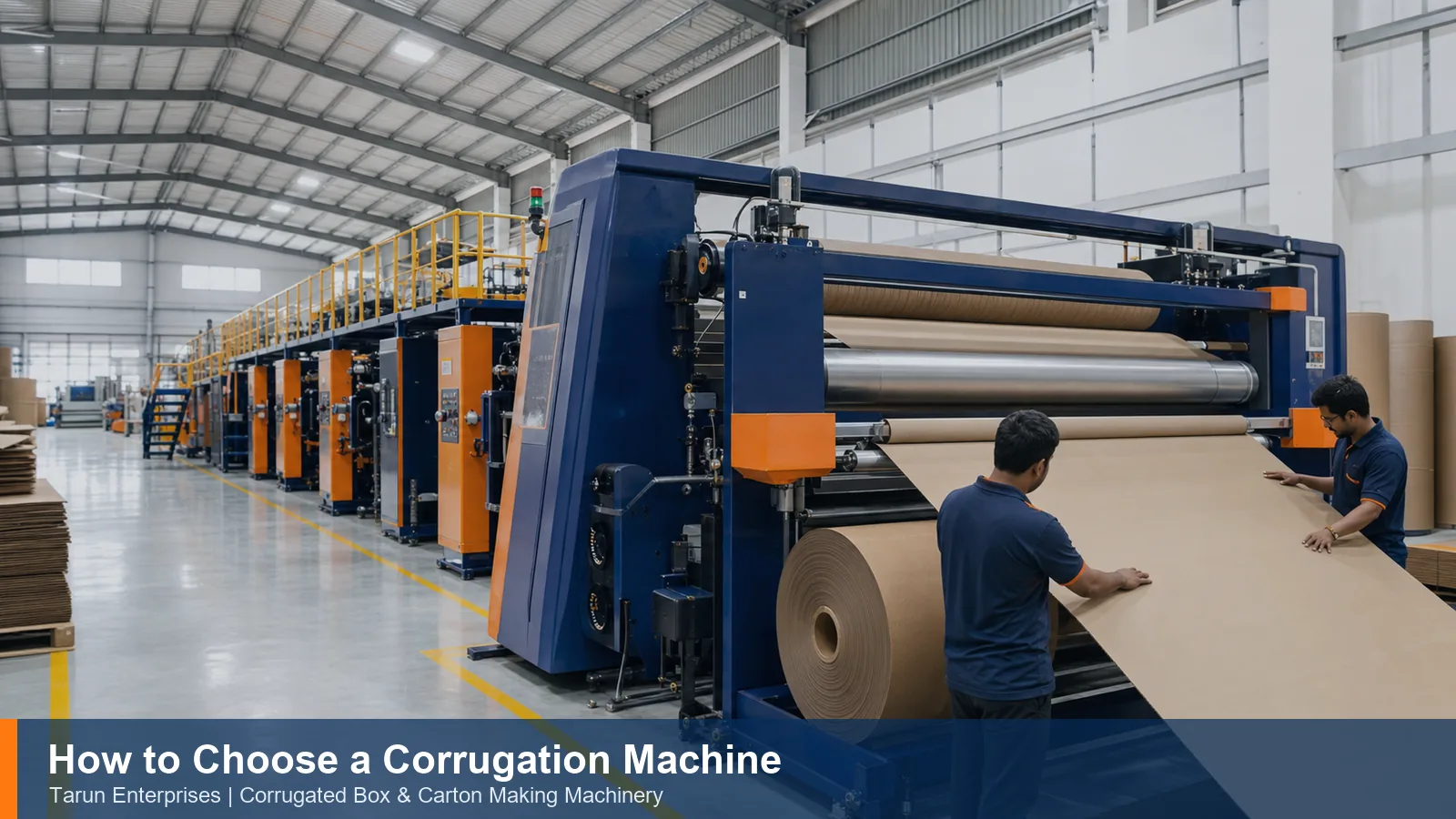
How to Choose a Corrugation Machine
A practical buyer guide for selecting corrugation machinery by box size, paper width, capacity, automation, power and service support.
Cost Guide
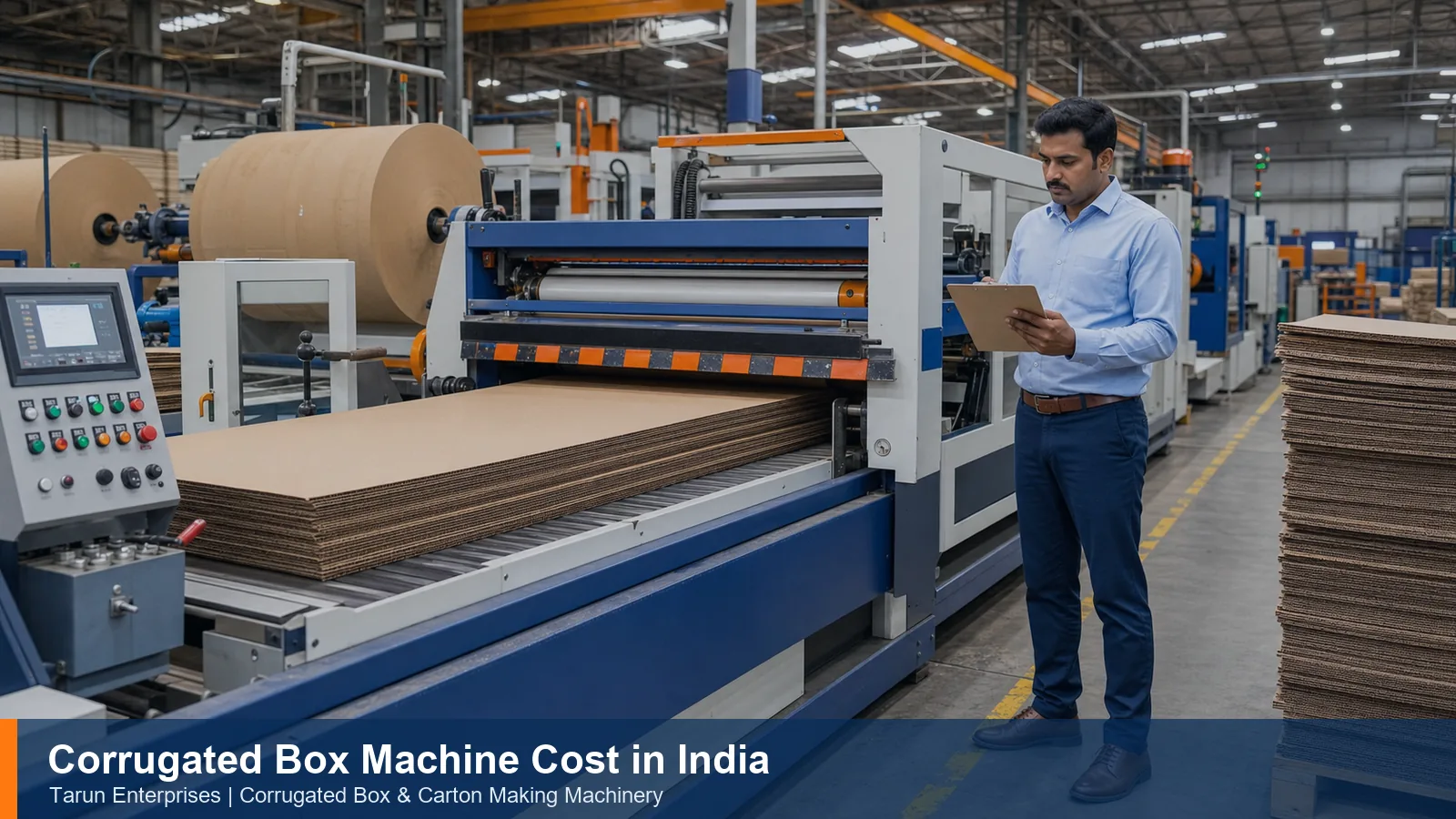
Corrugated Box Machine Cost in India
Understand what affects corrugated box machine price in India, from machinery configuration to factory setup, labour, electricity and ROI.
Leave a Comment